
Introduction
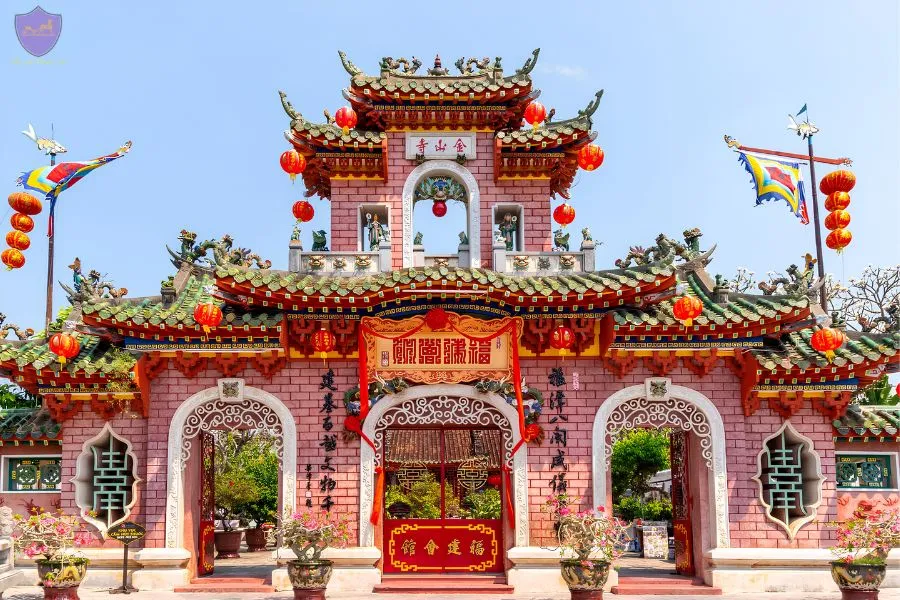
When visiting Hoi An, don’t miss Fujian Assembly Hall. It is one of the town’s most notable cultural landmarks. The assembly hall is famous for its intricate architecture and colorful decorations. Its timeless beauty reflects the charm of Hoi An Ancient Town. Beyond its impressive appearance, it also holds important spiritual and cultural significance for the local community.
In this guide, Hoi An Private Car will provide useful information to help you better understand this historic landmark. We will take a closer look at its origins, distinctive features, and the stories behind the assembly hall. You will also find practical tips to help you plan your visit and enjoy your time in Hoi An.
A Glimpse Of Fujian Assembly Hall
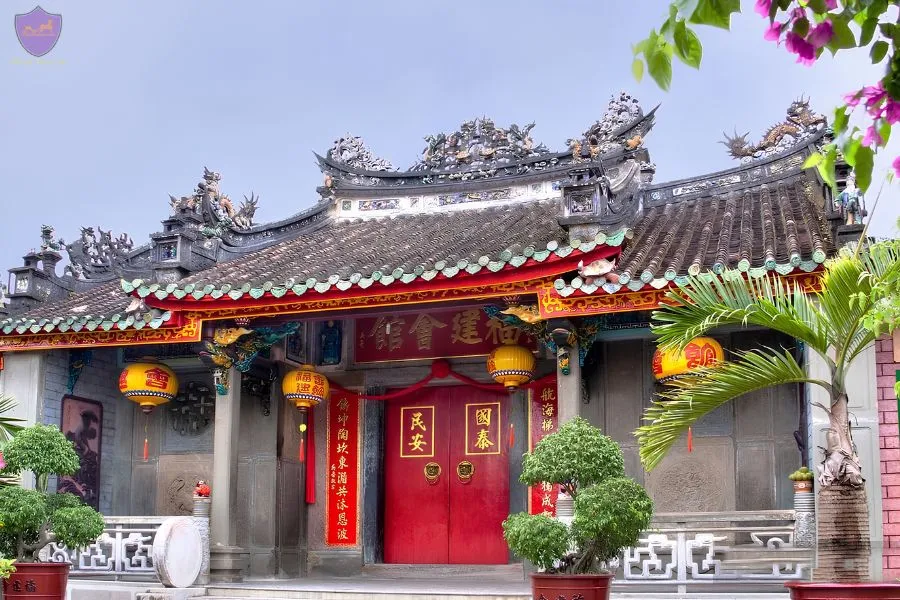
Phuc Kien Assembly Hall is a historic landmark in Hoi An. Members of the Fujian Chinese community built this iconic site. The site honors Thien Hau Thanh Mau, the goddess of the sea. She protects sailors and sea travelers. Known for its traditional Chinese architecture, colorful decorations, and intricate details, the assembly hall remains an important cultural and spiritual site in Hoi An today.
Where Is Fujian Assembly Hall Located?
- Address: 46 Tran Phu Street, Hoi An Ancient Town, Da Nang, Vietnam.
- Opening Hours: 7:00 AM – 6:00 PM daily.
- Entrance Fee (including the Hoi An Ancient Town ticket): The ticket costs 80,000 VND per person per visit for Vietnamese visitors and 120,000 VND per person per visit for international visitors.
Note: This is a combined ticket for Hoi An Ancient Town. It allows you to select Phuc Kien Assembly Hall and other heritage sites. The ticket is valid for one day.
How To Get To Phuc Kien Assembly Hall?
Fujian Assembly Hall sits in the heart of Hoi An Ancient Town. You can easily reach it on foot from nearby landmarks. From the Japanese Covered Bridge, head toward Tran Phu Street and continue for about a 6-minute walk. You will find Phuoc Kien Assembly Hall at 46 Tran Phu Street. It is a convenient stop when exploring the Old Town.
In addition, if you want to continue your journey after exploring Hoi An, you can consider a private car from Hoi An to other popular destinations, such as:
- Hoi An To Ba Na Hills By Private Car – ~56 USD/sedan
- Hoi An To Bach Ma National Park Private Car Transfer – ~104 USD/sedan
- Private Car From Hoi An To Da Nang – ~ 19 USD/sedan
- Hoi An To Dalat Private Car Service – ~304 USD/sedan
A Brief History Of Fujian Assembly Hall
History Of Fujian Assembly Hall
Fujian Assembly Hall reflects the beauty of traditional Chinese architecture. Members of the Fujian community built it after migrating from southern China. Workers constructed the assembly hall in 1957 and completed major renovations between 1970 and 1974. Before the assembly hall was built, a Buddhist statue was reportedly located on this site.
According to local legend, fishermen found the statue washed ashore nearby with gold and silver covering its surface. The local people sold the precious items and used the money to buy wood to build a temple called Kim Son Tu, meaning “Golden Mountain Pagoda.” Later, the Fujian community purchased the land and used it to establish their own assembly hall.
Honoring Thien Hau
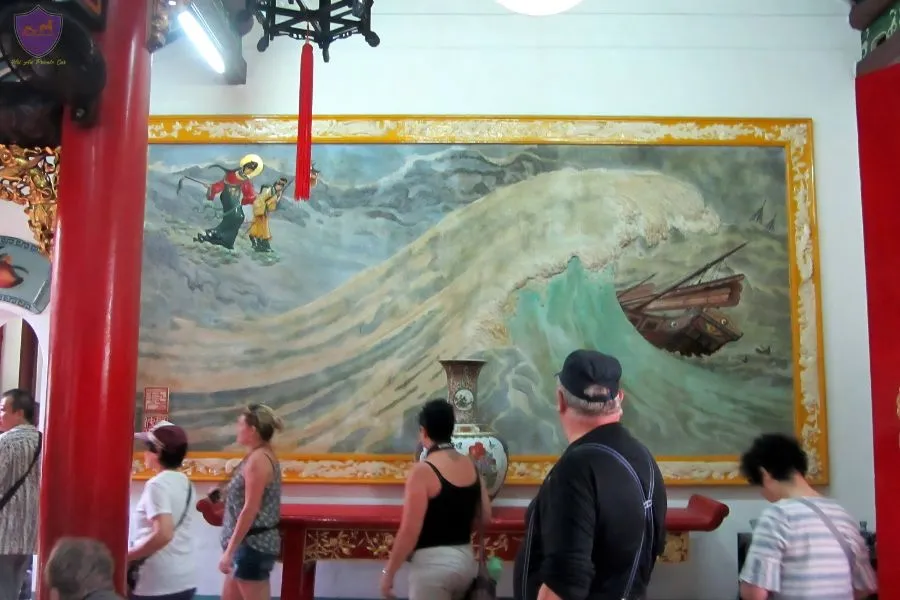
At Fujian Assembly Hall, the local Chinese community worships Thien Hau (Mazu) as their principal deity. She protects Fujian people and Chinese communities around the world. Her worship holds a central place in local spiritual life and a central feature of the assembly hall.
According to legend, Thien Hau was born into a fishing family and was believed to have the gift of prophecy. She devoted herself to helping local people and later sacrificed herself while trying to save others during a shipwreck. After her death, people built temples in her honor, and Chinese emperors later bestowed prestigious titles upon her, including Thien Hau.
As Chinese communities migrated throughout Southeast Asia, the worship of Mazu spread across the region, including Vietnam. Today, overseas Chinese communities practice Mazu worship in thousands of temples worldwide. In 2009, UNESCO inscribed Mazu belief practices as Intangible Cultural Heritage of Humanity. This recognition highlights its cultural importance of communities that preserve these traditions worldwide.
Worship Of The Six Generals
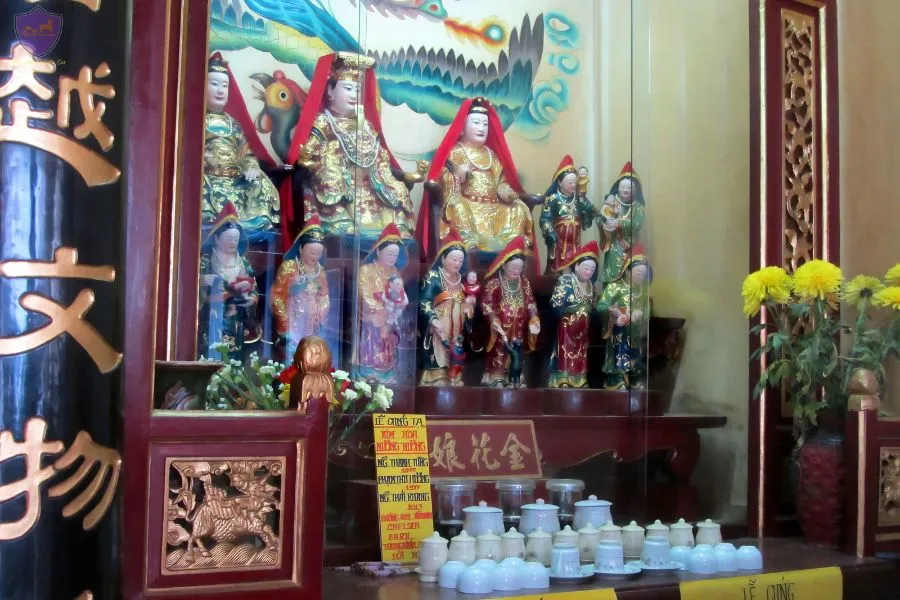
The Fujian community also worships the Six Generals, who are believed to have been loyal generals of the Ming Dynasty in China. They include Khiem Vuong, Truong Vuong, Thuan Vuong, Chu Vuong, Hoang Vuong, and Thap Tam Vuong. According to local tradition, they led resistance against the Qing Dynasty in the 17th century and eventually died in battle.
Believed to have originated from Fujian Province, Fujian communities across different regions continue to honor and worship these six generals. Their worship reflects the community’s respect for loyalty, courage, and the historical figures associated with their heritage.
Exploring The Architecture Of Fujian Assembly Hall
The architecture of Phuc Kien Assembly Hall showcases traditional Fujian art. Intricate carvings and decorative details complement the historic charm of Hoi An. The complex covers around 2,000 square meters. It follows the traditional design concept of “三” (three), connected by traditional architectural spaces.
The complex features a main entrance gate, a triple-arched gate, a main hall, a rear hall, east and west buildings, and inner courtyards. Together, these elements create a harmonious layout while highlighting the distinctive architectural style and craftsmanship of the Fujian community.
Main Entrance Gate
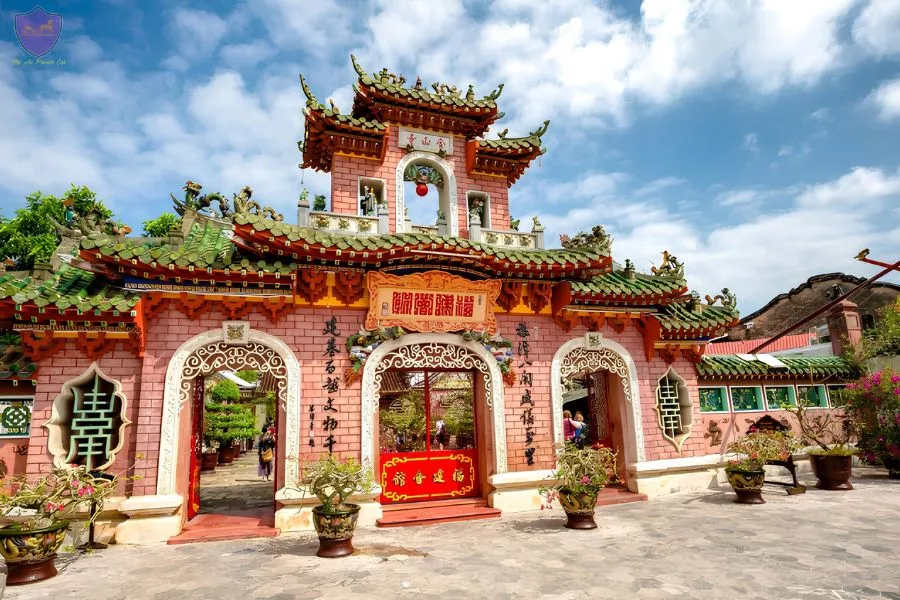
The Main Entrance Gate is located directly on Tran Phu Street and features a single entrance. Above the doorway is a four-character Chinese sign meaning “Fujian Chinese Assembly Hall,” while the tiled roof is decorated with traditional animal motifs along the roof ridges. After passing through the gate, visitors turn left or right into the main complex. You need an entrance ticket to continue your visit.
Triple-Arched Gate
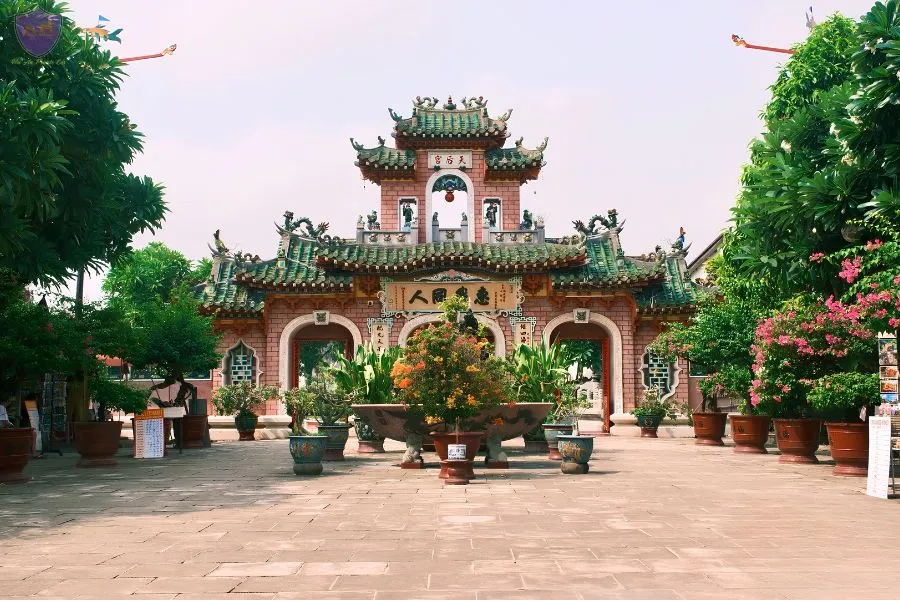
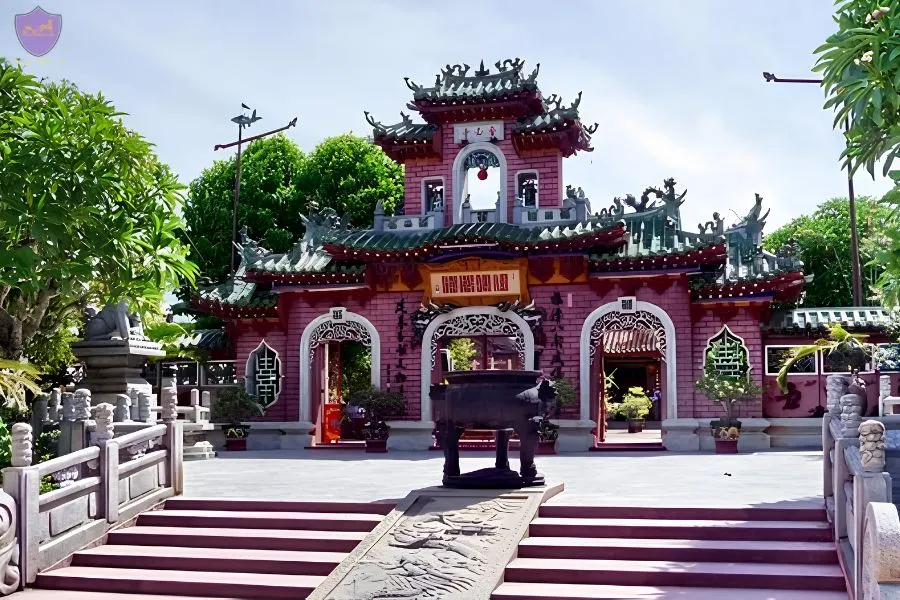
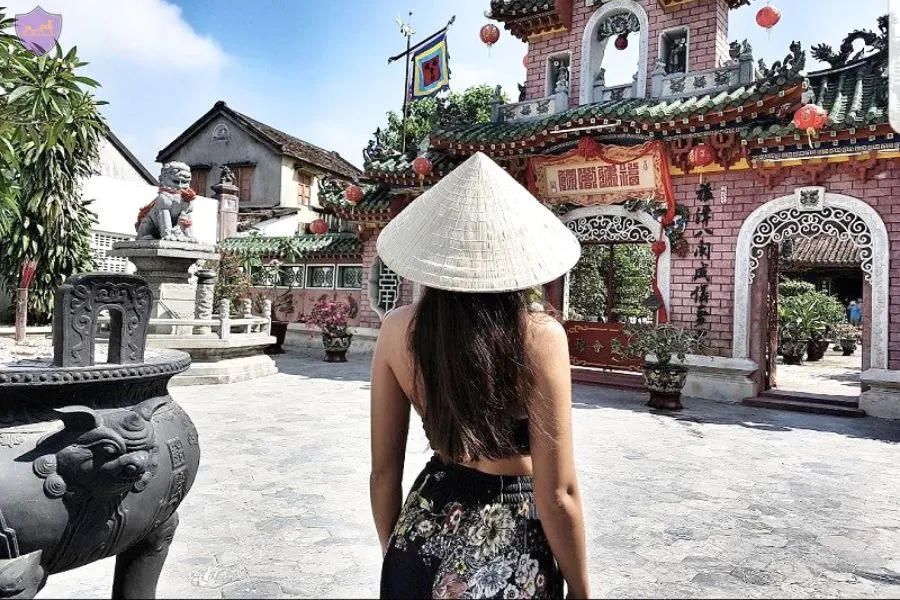
The Triple-Arched Gate (Tam Quan Gate) is one of the most distinctive architectural features of Fujian Assembly Hall and forms an important transition between the outer courtyard and the main worship area.
The structure features a large central entrance flanked by two smaller side doors. Its multi-layered tiled roof creates an imposing appearance. The roof ridges are decorated with ornamental figures and ceramic details, reflecting the elaborate decorative tradition commonly found in Chinese religious architecture in Hoi An.
One detail worth observing is the large incense burner in front of the gate, flanked by two guardian lions facing inward. These elements create a sacred atmosphere and form a visual axis leading toward the worship buildings inside the complex.
For visitors interested in local craftsmanship, the decorative details are particularly worth observing. According to Hoi An heritage documentation, artisans from Kim Bong Carpentry Village crafted some carved elements in the assembly hall, a traditional craft village in Quang Nam known for its woodworking skills.
Main Hall
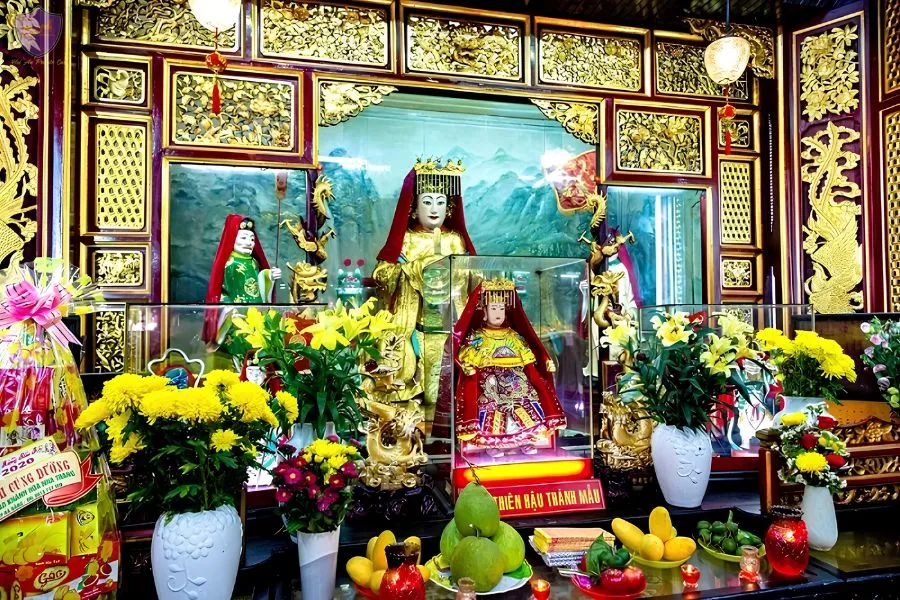
The Main Hall is the largest space within Fujian Assembly Hall and serves as the main area for religious ceremonies. At the center is the altar dedicated to Thien Hau Thanh Mau, the principal deity of the assembly hall and a protector traditionally associated with people traveling by sea. The altar’s central position reflects Thien Hau’s important role in the religious life of the Fujian community in Hoi An.
When visiting, look beyond the main statue and pay attention to the surrounding worship objects and decorative details. The hall contains large incense burners, bronze bells and drums, carved panels, and traditional Chinese inscriptions. These elements are more than decoration; they form an important part of the hall’s ceremonial and spiritual setting.
Another distinctive feature is the wooden boat model associated with the Fujian community’s journey by sea. Local heritage documentation notes that the hall displays a wooden boat model in the main worship area, symbolizing the community’s maritime heritage and its connection with Hoi An as an important trading port.
Rear Hall
Located at the back of the complex, the Rear Hall continues the religious function of the Main Hall while providing additional worship space. Hoi An heritage documentation identifies the Rear Hall as an important feature of Fujian Assembly Hall, with a structure and function similar to the Main Hall.
The central worship area is associated with the Six Generals, while other altars are dedicated to deities and figures connected with prosperity, family life, and traditional beliefs. This arrangement gives the Rear Hall a different character from the main altar dedicated to Thien Hau, reflecting the diverse beliefs preserved within the Fujian community.
A particularly interesting feature is the open courtyard and water element behind the main worship buildings. Heritage documentation records two open courtyards within the complex, including one behind the Main Hall. These spaces provide natural light, ventilation, and drainage while creating a transition between different architectural sections.
East And West Buildings
The East and West Buildings are located on either side of the main worship areas and share similar decorative features. Both buildings display a large Chinese character meaning “happiness,” along with paintings and photographs showing community activities and important visits. These spaces add to the cultural character of Fujian Assembly Hall while offering visitors a glimpse into the history and traditions of the Fujian community.
Model 18th-Century Ship
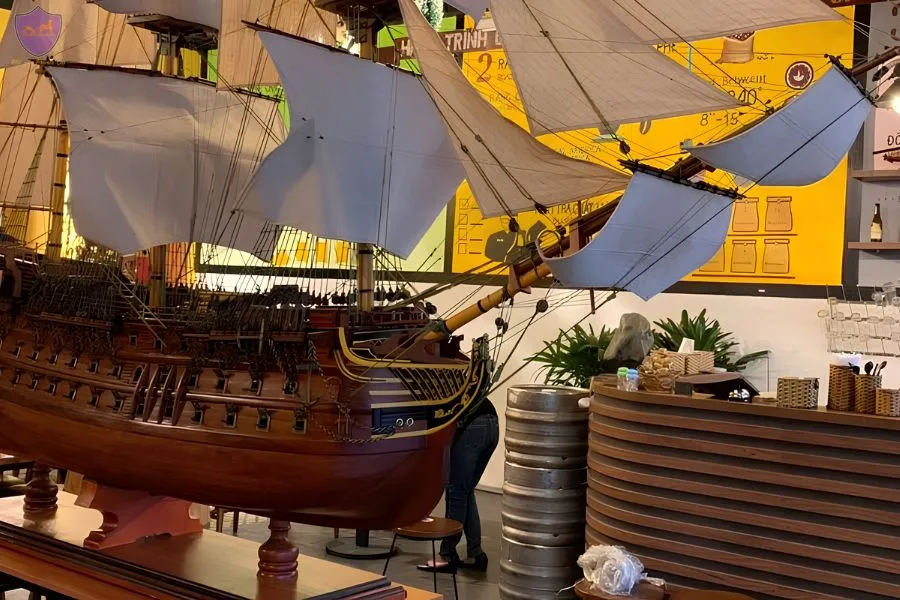
The Model 18th-Century Ship, dating back to 1875, is a small wooden boat displayed inside Phuc Kien Assembly Hall. This special boat symbolizes the long sea journeys made by Fujian merchants and migrants in the past.
It serves as a reminder of the maritime routes that connected Fujian Province with Hoi An and other trading ports in Southeast Asia. The model also reflects the important role of seafaring and overseas trade in the history of the Fujian community in Hoi An.
Inner Courtyards
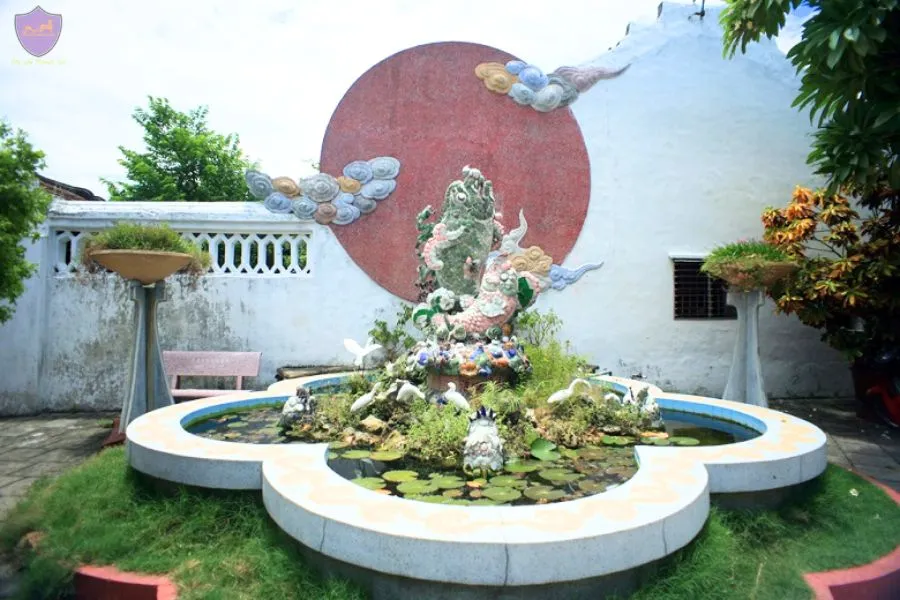
The inner courtyards connect the main buildings and create open spaces throughout Phuoc Kien Assembly Hall. They are decorated with ornamental plants and flowers, creating a peaceful atmosphere between the worship areas. In one of the courtyards, visitors can also find a small pond with golden carp and a dragon sculpture, recalling the traditional Chinese legend of the carp transforming into a dragon.
Festivals And Events At Phuc Kien Assembly Hall
Throughout the year, several important festivals and ceremonies are held at Fujian Assembly Hall in Hoi An. These occasions are closely connected with traditional religious practices and provide an opportunity for the local Chinese community to preserve and celebrate its cultural heritage.
Lantern Festival
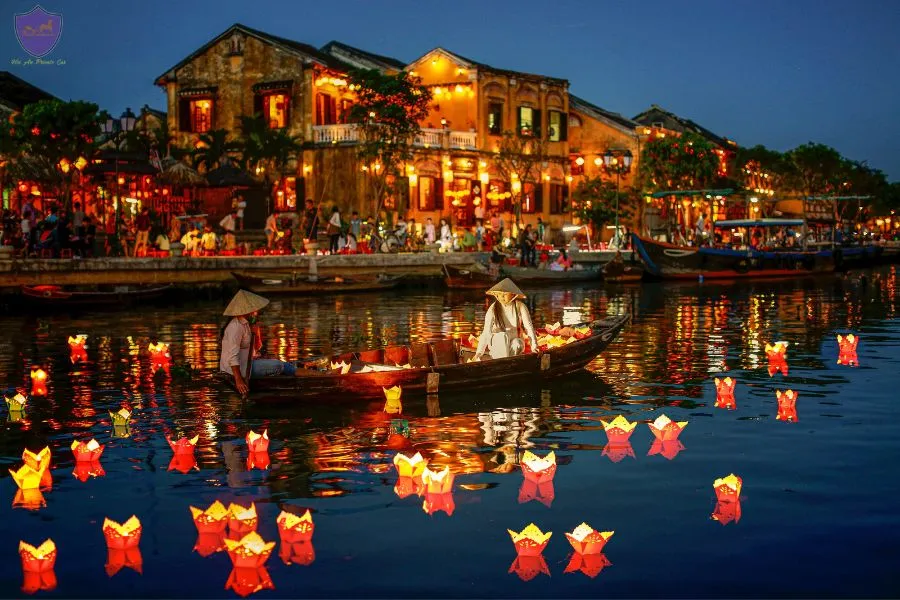
The Lantern Festival is celebrated on the 15th day of the first lunar month, marking the end of the Lunar New Year celebrations. At Fujian Assembly Hall, the festival brings the local Chinese community together to pray and celebrate. Colorful lanterns create a festive atmosphere and symbolize hope, good fortune, happiness, and prosperity for the year ahead.
Luc Tanh Ceremony
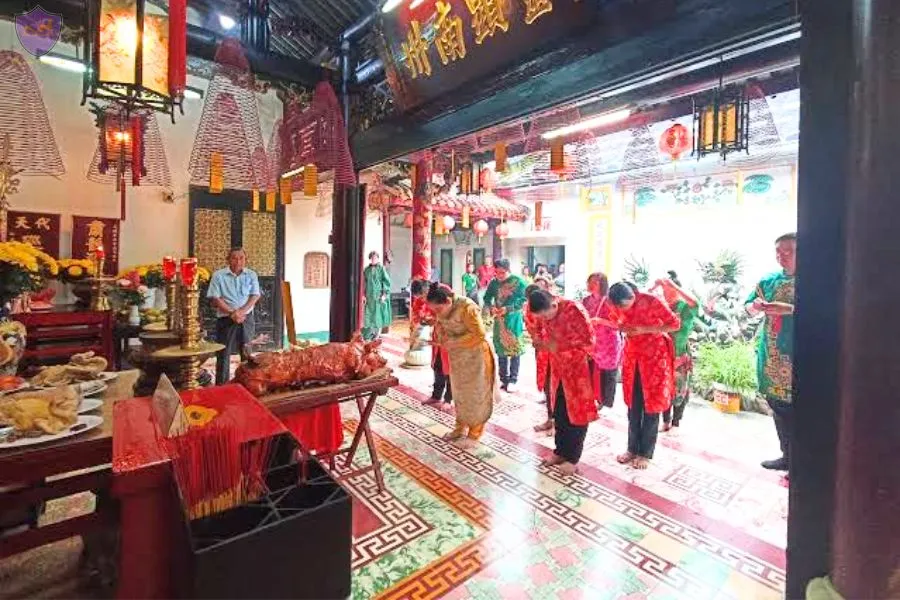
The Luc Tanh Ceremony is a traditional religious event held at Phuoc Kien Assembly Hall to honor the Six Generals, who are deeply respected by the Fujian community. During the ceremony, local people gather to make offerings, pray for peace, and pay their respects to the deities. The event also helps preserve traditional beliefs and cultural practices within the local Chinese community.
Twelve Midwives
The Twelve Midwives Ceremony is a traditional religious event honoring the Twelve Midwives, who are believed to protect mothers and children. Families gather at the assembly hall to offer prayers for safe childbirth and the health and well-being of their children. The ceremony reflects traditional beliefs about childbirth, family, and children’s development.
God Of Wealth
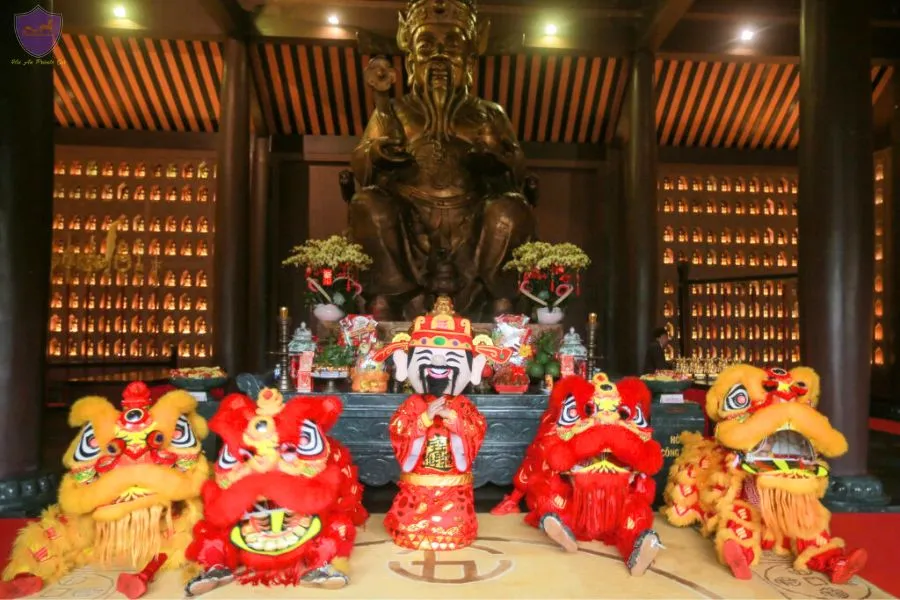
The God of Wealth Ceremony honors the deity associated with wealth, prosperity, and good fortune. During the ceremony, people make offerings and pray for success, prosperity, and good luck in business and daily life. It also provides an opportunity for the local Chinese community to preserve its traditional beliefs and customs.
Thien Hau Festival
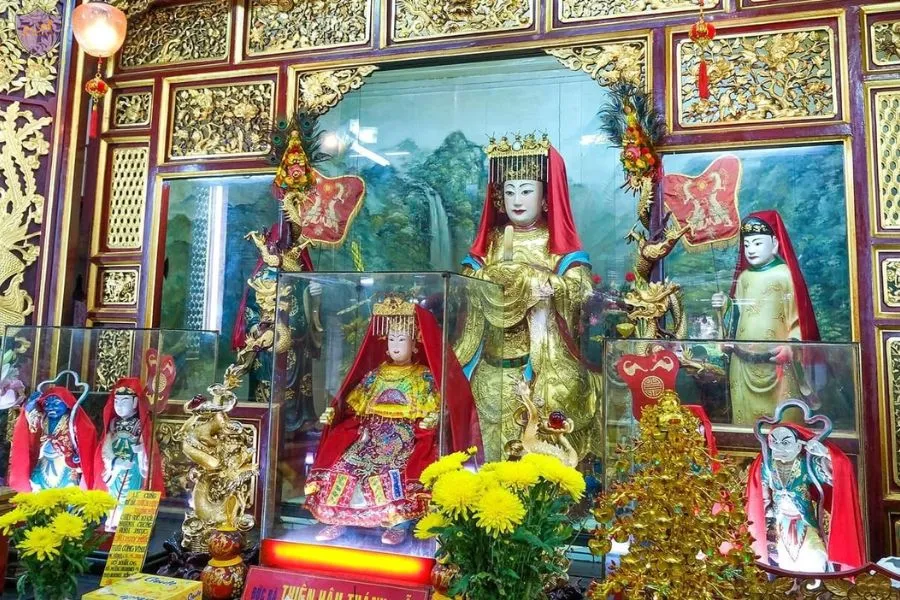
The Thien Hau Festival is held to honor Thien Hau, the principal deity worshipped at Phuc Kien Assembly Hall and a revered protector of sailors and fishermen. During the festival, the local Chinese community gathers to offer incense and pray for peace, safety, and good fortune. It is also an important occasion to preserve traditional beliefs and strengthen community bonds.
If you want to explore Phuc Kien Assembly Hall and other attractions in Hoi An, check out our tour:
- Hoi An Countryside Tour – 54 USD/pax
- Cam Kim Island Discovery Tour – 48 USD/pax
- Hoi An Street Food Tour – 39 USD/pax
- Hoi An Sunrise Fish Market Tour – 38 USD/pax
Useful Tips For Travelers
Here are some useful tips to help you make the most of your visit:
- Bring Some Cash: It is a good idea to carry some cash for entrance tickets, drinks, snacks, or souvenirs during your visit.
- Buy Your Hoi An Ancient Town Ticket: Make sure to purchase your ticket before exploring the Old Town. The nearest ticket offices are on Nguyen Hue Street and Phan Chau Trinh Street. Tickets cost 80,000 VND for Vietnamese guests. International visitors pay 120,000 VND per person.
- Bring Comfortable Shoes: Walking is one of the best ways to explore Hoi An Ancient Town, so wear comfortable shoes or sandals to avoid tired or sore feet.
- Prepare for the Weather: Hoi An’s dry season lasts from February to late August. Bring sunscreen, an umbrella, and drinking water, although these items are also easy to find at convenience stores.
- Prepare for the Rainy Season: From September to January, bring a raincoat, light jacket, or umbrella, as well as waterproof shoes or sandals. It is also a good idea to check the weather forecast before your trip.
- Watch Out for Flooding: From October to December, heavy rain can sometimes cause flooding in Hoi An Ancient Town. Check the latest weather conditions before heading out.
- Take Photos: Fujian Assembly Hall is known for its beautiful architecture and is a popular spot for taking memorable photos in Hoi An.
- Dress Respectfully: Phuc Kien Assembly Hall is a place of worship, so visitors should wear neat and modest clothing when entering the site. Avoid overly short or revealing clothes, and dress respectfully when visiting the temples and other religious areas.
FAQs
How Long Do I Need To Tour It?
You typically need around 30–45 minutes to explore Fujian Assembly Hall. This gives you enough time to admire the architecture, visit the main worship areas, and learn more about its history and cultural significance. If you enjoy taking photos or exploring the details, you may want to allow a little more time.
Can I Take Photos Inside?
Yes, visitors can generally take photos inside Fujian Assembly Hall. However, as this is an active place of worship, please be respectful and avoid using flash or photographing worshippers and religious ceremonies without permission.
What Is The Best Time Of The Day To Visit?
Early morning or late afternoon is a good time to visit Fujian Assembly Hall. The weather is usually more comfortable for walking around Hoi An Ancient Town, and these periods can also be less crowded than the middle of the day. If you want to take photos, the softer natural light can also make the architectural details more attractive.
Conclusion
Fujian Assembly Hall is more than an architectural landmark in Hoi An Ancient Town. Its distinctive Chinese architecture, rich history, traditional beliefs, and cultural activities offer a glimpse into the heritage of the Fujian community. Visiting this historic site is a meaningful way to discover another side of Hoi An beyond its famous streets and ancient houses.
Through this guide, Hoi An Private Car hopes you have gained useful information to help plan your visit to Phuc Kien Assembly Hall. We hope your visit allows you to better appreciate its cultural and spiritual significance. With thoughtful preparation, you can enjoy a more meaningful experience while exploring Hoi An. We wish you a wonderful journey and many memorable moments!